
Comayagua
The colonial jewel of Honduras
Founded in 1537, Comayagua is Honduras' best-preserved colonial city and served as the country's capital until 1880.
History
Comayagua was founded in 1537 by Captain Alonso de Cáceres as Villa de Santa María de Comayagua. It served as the capital of Honduras for over three centuries, until the capital was moved to Tegucigalpa in 1880. The city preserves its original colonial layout and is home to some of the oldest buildings in Central America.


The Cathedral
The Cathedral of the Immaculate Conception is the symbol of Comayagua. Its baroque facade and interior house priceless artistic treasures. Notable is the tower clock, one of the oldest functioning clocks in the world, made around 1636 and gifted by King Philip III of Spain.


Colonial Architecture
Comayagua's cobblestone streets are flanked by adobe buildings with tile roofs, wrought-iron balconies, and more than 12 colonial churches that tell the story of nearly five centuries of faith and tradition.


Museums
The Regional Museum of Archaeology and History occupies the former Presidential House and exhibits pieces from the pre-Columbian to colonial era. The Museum of Religious Art, in the former university, houses gold-embroidered vestments and emerald-encrusted treasures.


Cultural Traditions
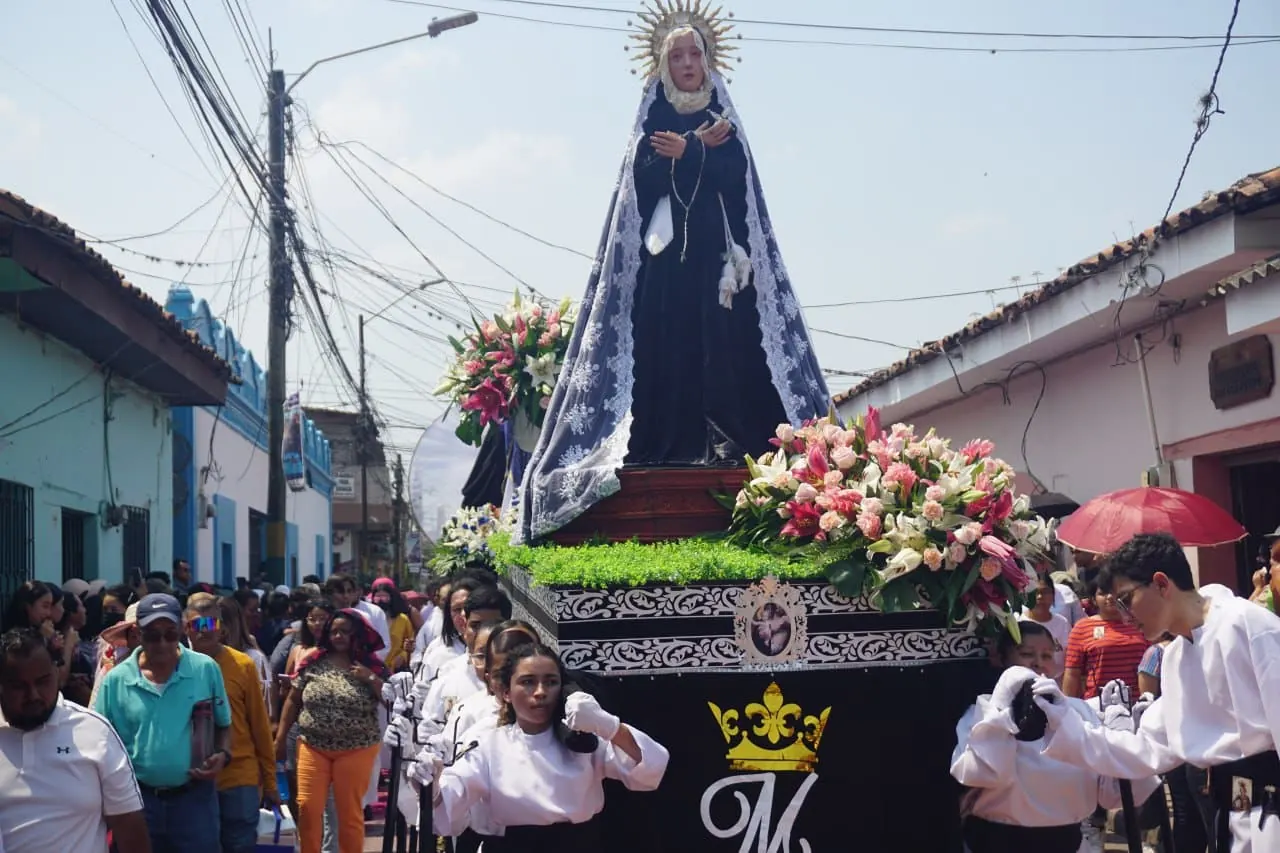
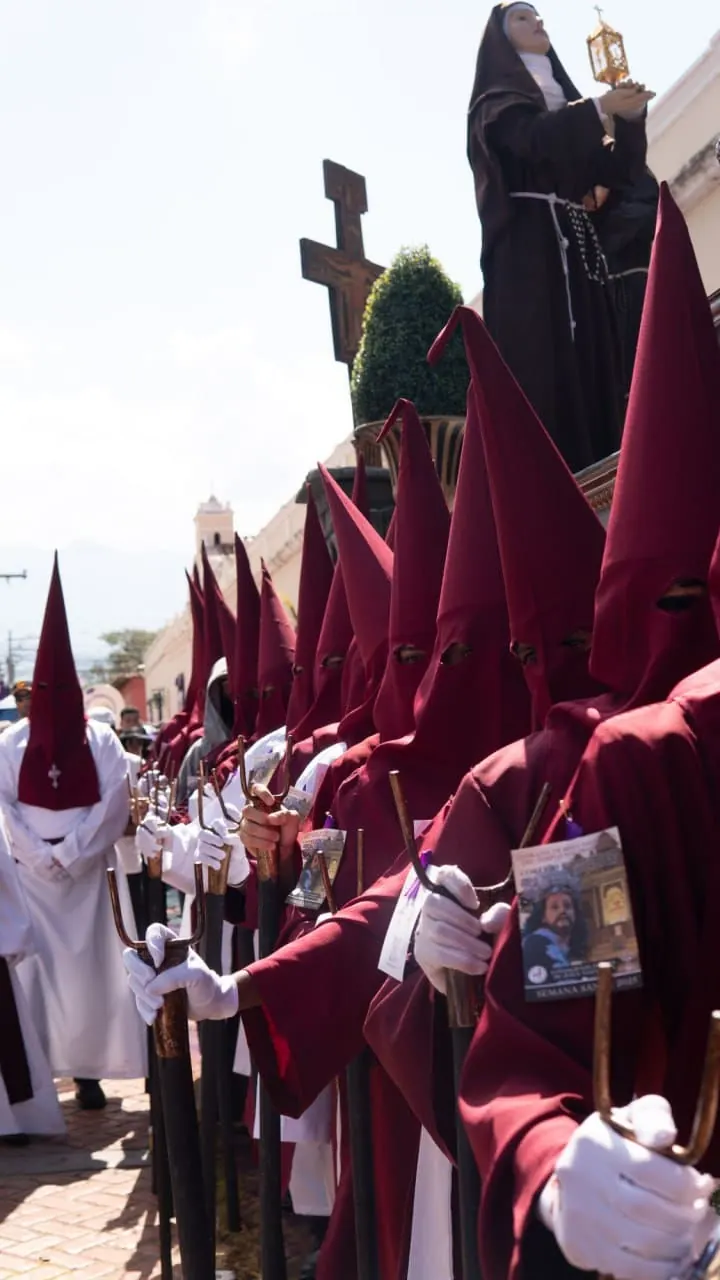
Holy Week in Comayagua is famous for its elaborate sawdust carpets (alfombras) that decorate the streets during processions. This centuries-old tradition attracts more than 200 weekly visitors interested in the city's religious heritage.